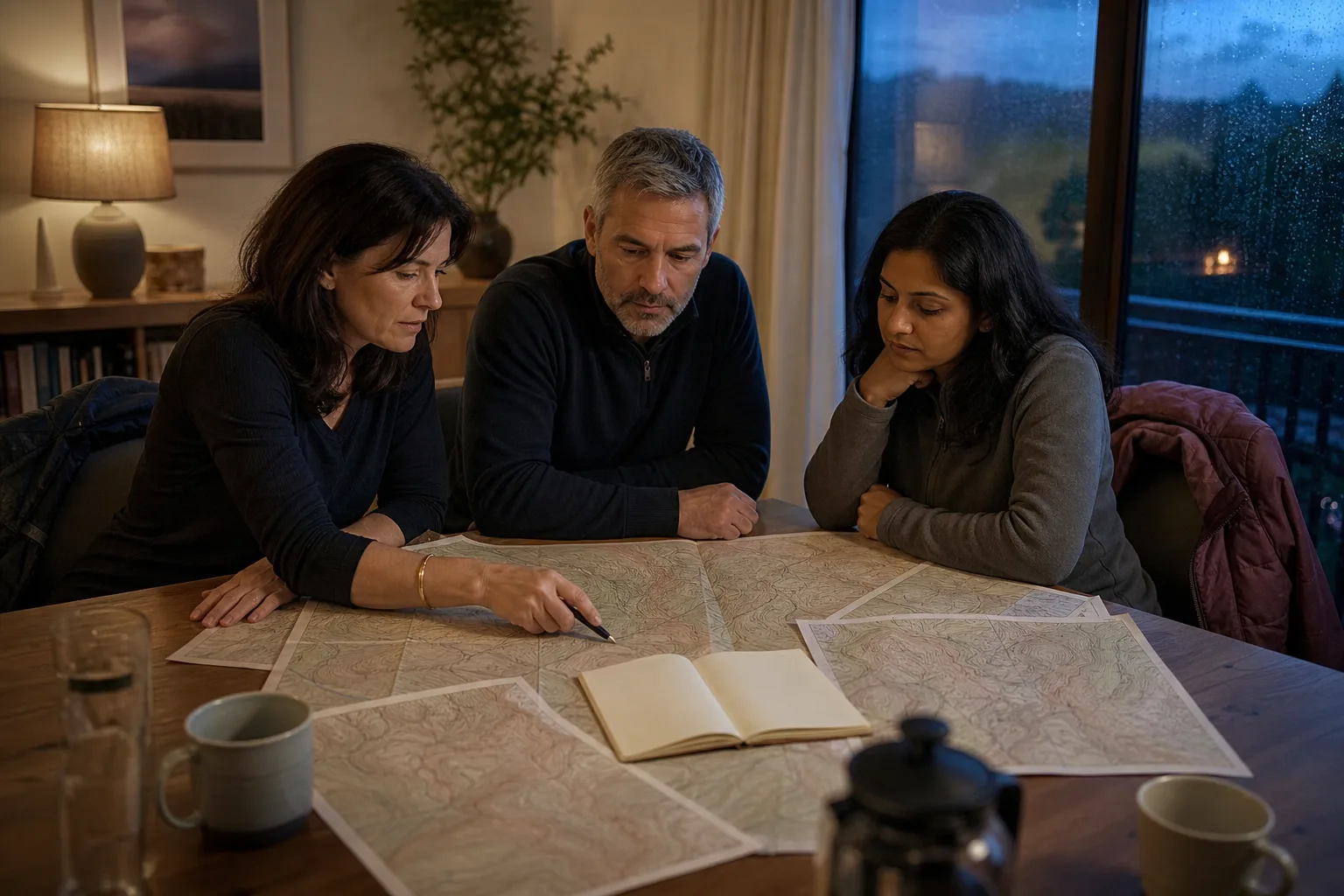
Long wooden table at dusk with three adults leaning over unfolded paper maps and a shared notebook, warm lamp light, jackets on chair backs, rain on the window, 1920x1080

juvenilith — Traveling as a company: how to agree before you leave so that by day three you are still speaking to each other

A shared trip is a set of agreements, not a list of stops.

Finding places to go is the easy part. The hard part is putting several adults in the same house when they do not share a wake-up time, a reason for being there, or a tolerance for last-minute change. We help you name those differences at the kitchen table, while there is still time to plan around them.

Learn More

Name the trip before anyone books

Most friction is not about the destination. It is about four jobs that get skipped because they feel awkward to raise at home: why you are going, who holds the plan, how long the first shared trip should be, and how you will speak up when something already feels off.

Ask the questions that actually decide the week

We start with a short list: what would make the trip feel wasted, what would make it feel restful, and what is non-negotiable for sleep, food, and time alone. The answers tell you the format. They also tell you if this group should travel together at all.

Stop leaving the plan on one pair of shoulders

One person usually books the house, writes the notes, and absorbs every late change. That person also collects the quiet resentment. We split the work into small, named tasks so the trip is prepared by the same people who will live in it.

Keep the first shared trip short on purpose

If you have not traveled with these companions yet, a long stay is a large bet. We help you pick a format and a length that leaves room to go home still liking each other, then decide whether a longer trip is worth a second round.

Say it while it is still a preference

Discomfort that stays unspoken becomes a verdict by the third evening. We practice a plain sentence you can use in the moment: what is not working, what you need instead, and what can wait until tomorrow.

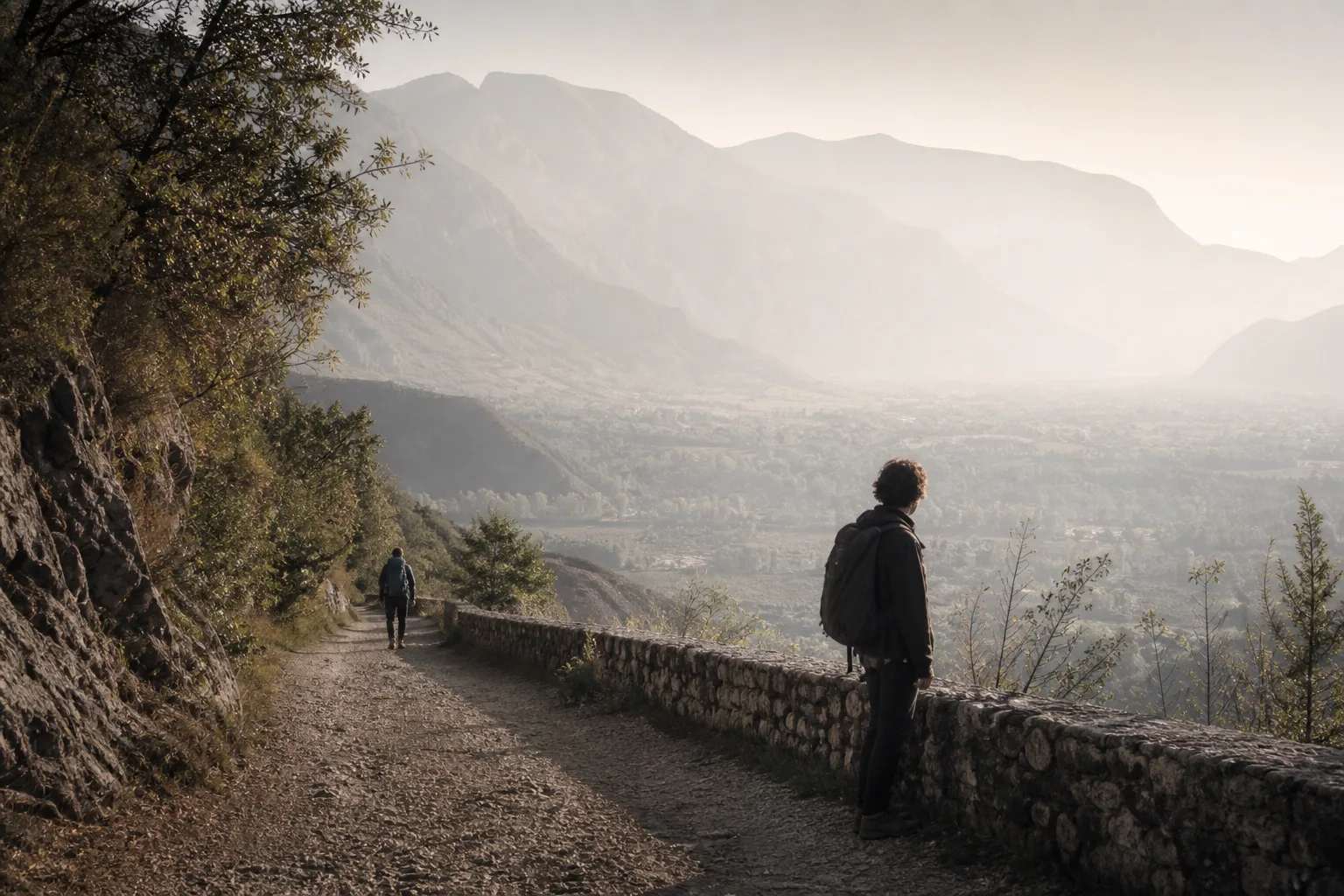
Two people walking the same gravel path at different distances, one far ahead with a daypack, one paused by a low stone wall looking at a valley, late morning haze, 1600x900

Two clocks, one house

A group trip fails less often from a bad restaurant than from mismatched mornings. The person who wants the trail at first light and the person who came to sleep past sunrise are both being reasonable. They are not on the same holiday. If that is not named, one of them will spend the week performing energy they do not have.

We treat pace as a design problem. You do not need a compromise that makes everyone slightly unhappy. You need a map of the day that includes hours together and hours apart, written down before anyone feels rude for wanting either.

  • Match the mornings, not the personalities

    Agree on a latest shared breakfast and an earliest shared evening. Everything between those two points can belong to whoever needs it.

  • Split the day on purpose

    Leaving the house in twos or alone is not a failure of the trip. It is how adults keep enough goodwill to sit at the same table later.

  • Watch for the third-day dip

    The habit that looked charming on arrival is the one that grates after two short nights. Build a quieter afternoon into the middle of the stay before anyone has to ask for it.

What the work looks like in numbers

These figures come from our own group trips and from the consultations we keep on paper. They are not a scoreboard. They are a way to show the scale of a practice that is still done person to person.

12

Questions before departure

The same written set we use with our own companions, covering sleep, money, meals, and time alone.

9

Years traveling as a company

Regular small-group stays, not one-off holidays, which is how the patterns in our guides were noticed.

64

Trip-prep conversations

One-to-one sessions with households getting ready to share a house, a van, or a week of mixed days.

3

Advisors on the team

Agreements, pace, and lodging are held by three people who still take trips together several times a year.

Rooms, money, and the five-minute rule

Shared lodging and shared spending are where a polite group becomes a tense one. The fix is rarely a spreadsheet. It is a few decisions made while everyone is still at home, plus a way to choose lunch without a debate on the corner.

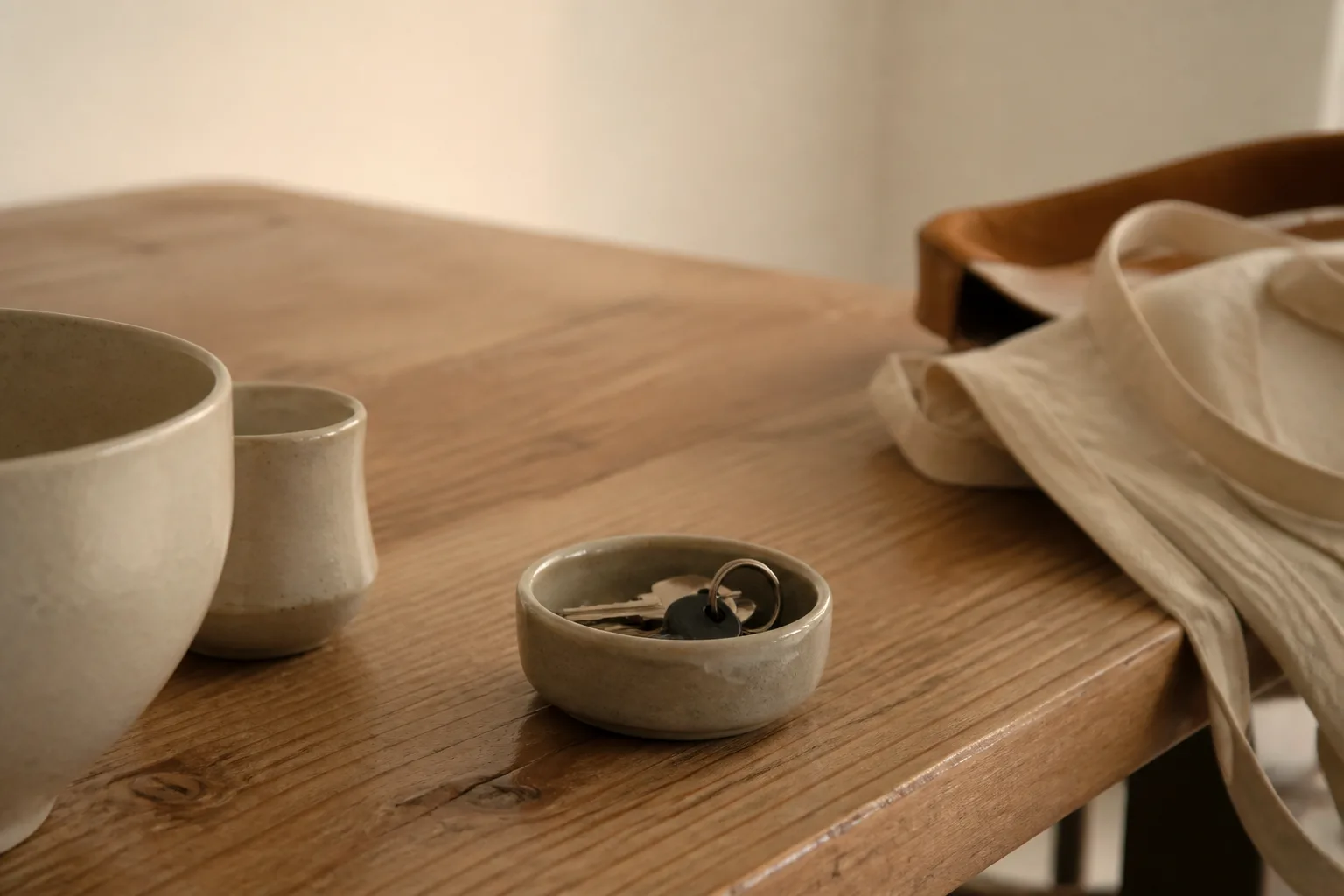
Rental kitchen with a large table set for several people, tote bags on a bench, keys in a ceramic bowl, thin curtains and pale morning light, 1600x900

Ask about the house before you pay the deposit

Who gets a door that closes. Where bags live. Whether the kitchen can hold breakfast for everyone at once. We keep a list of questions for hosts so room choices are made in writing, not in the hallway after a long transfer.

Name the spending principle on the first call

Split everything, rotate treating, or keep most costs separate: any of these can work. None of them work if you invent the rule on the last night. We help the group pick one principle and write down what is shared, what is personal, and what needs a check-in midweek.

Choose the next place in five minutes

Standing in a street arguing about where to eat is how a good morning turns. Agree a method in advance: two options, one veto, a timer, then walk. The point is not the perfect meal. It is protecting the rest of the afternoon.

The three of us still travel this way

juvenilith is a small advisory practice. We write from trips we take together and from conversations with households who want the same kind of preparation. Each of us holds one part of the work.

Elena Voss, portrait of a woman in her early forties with dark brown hair in a low knot, charcoal knit sweater, seated by a sunlit window with a folded paper map on the table, 400x400

Elena Voss

Agreements lead

Certificate in Group Travel Facilitation, Northridge Workshop for Shared Stays

Elena runs the pre-departure conversation: why the group is going, what would feel like a wasted week, and which topics must be settled before anyone searches for a house. She also works with the West Slope Lodging Circle on host-question lists.

Marcus Hale, portrait of a man in his mid-forties with short salt-and-pepper hair and a navy overshirt, standing outdoors with a daypack strap on one shoulder, soft hillside behind him, 400x400

Marcus Hale

Pace planner

Credential in Companion Itinerary Design, Field Notes Institute

Marcus designs the shape of the day: shared breakfast windows, optional afternoons, and a quieter stretch in the middle of the stay. His notes come from years of traveling with companions who do not share a wake-up time.

Priya Langford, portrait of a woman in her mid-thirties with black hair over one shoulder, olive linen shirt, standing in a bright kitchen with a ceramic bowl of keys on the counter, 400x400

Priya Langford

Lodging coordinator

Shared Housing Logistics Certificate, Household Travel Guild

Priya looks at doors, bathrooms, kitchens, and how a group will actually live in a rented house. She drafts the spending principle with the same care, so money is not the surprise at the end of the week.

What companions told us afterward

These notes are from people who asked us to sit with their group before a shared stay. They describe specific habits that changed, not a promise that every trip will be easy.

We used to lose forty minutes on every lunch because nobody wanted to be the person who picked. Elena had us agree a two-option rule before we left. It felt small at the table. On the second day it was the difference between a walk and a sulk. We still disagreed about food. We just stopped turning that disagreement into the afternoon.

I was the one with the spreadsheet, the bookings, and the silent inventory of who had not helped. Marcus split the prep into named jobs and made me give two of them away. I disliked it until the first morning, when I was not also the person who had to decide breakfast. The trip was still imperfect. I was not exhausted before we arrived.

I need sleep more than scenery. My companions treat early light as the point of going. Priya helped us write a latest breakfast and an afternoon that I could skip without a speech. I still joined some mornings. I did not spend the rest of the day pretending I had energy I did not have, which is how our last shared week had ended.

Sit with us before you book the house

If your group already has dates in mind, we can walk through the questions, the split of prep work, and the shape of the days. Bring the companions who will actually share the stay. A consultation is a conversation, not a packaged itinerary.

Contact Us

What we are here to do

juvenilith provides knowledge and consultations on how small groups prepare to travel together. We do not sell a platform or a booking tool. We help you write the agreements that make a shared week livable, then you take the trip yourselves.

Learn More

About these materials

Information on this site is intended to introduce our consultations and to share what we have learned while traveling as a company. We provide knowledge about group-trip preparation: how to compare expectations, divide planning work, and design days that include time apart. The articles are not a substitute for advice from a specialist who can review your companions, dates, lodging, and local conditions.

Houses, trails, opening hours, and host rules change between visits. Confirm details directly with operators for the stay you are booking. Do not treat a description from a previous trip as current.

You are responsible for the decisions you make, including who you travel with, how you share costs, and how you spend each day. juvenilith is not liable for disagreements, missed bookings, or other outcomes that follow from using these materials.